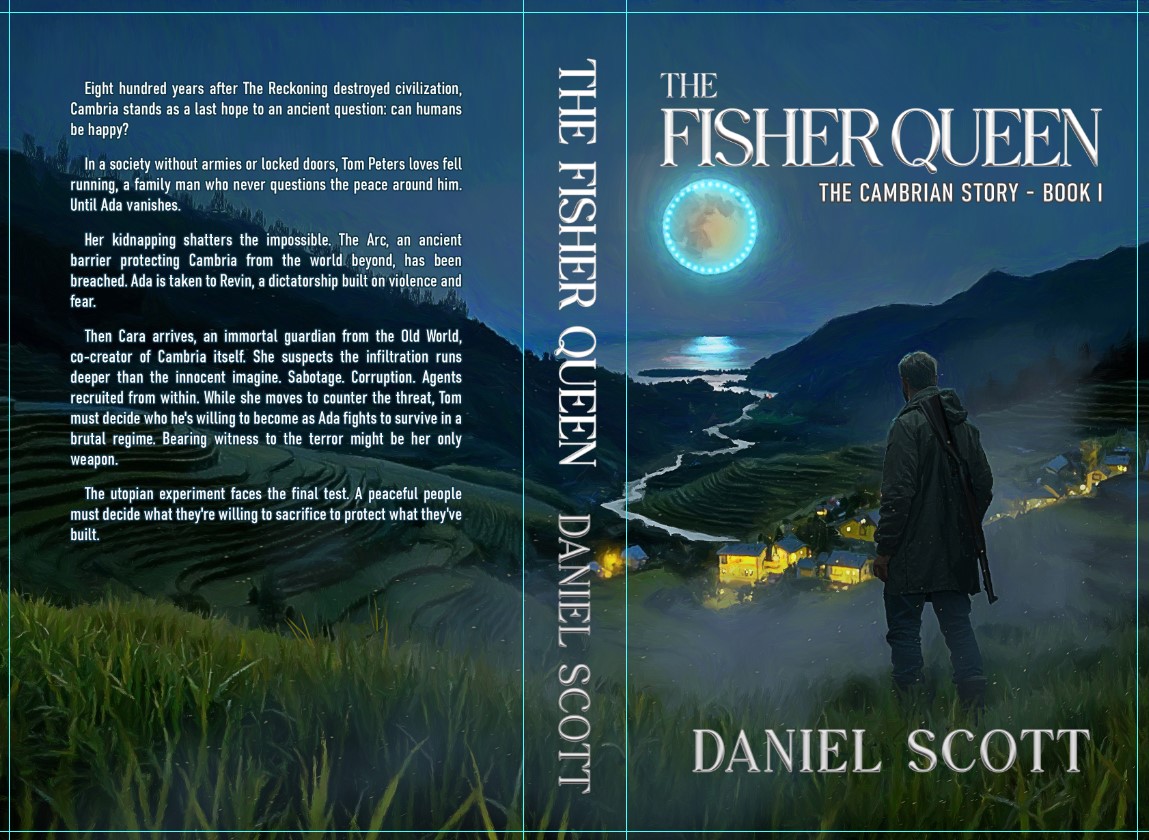
Finn – A Short Story

I finally got around to releasing my short story, which is free for subscribers to my newsletter.

The story is a prequel to my forthcoming Cambria Trilogy, set around 100 years before the start of Book 1 – The Fisher Queen. It briefly tells us about the early life of Finn, a quiet but very deadly man who appears the trilogy as a much older (but still very dangerous) character.

If you would like to read this for free, please click HERE. You will need to sign up to my newsletter, but I only send out short emails once a month. You can unsubscribe at any time.

Newsletter #3 – Feb 2026

Trad vs Indy, and the temptations of Icelandic Magic
Hello!
It’s 4am, and I’m lying in bed in a Zurich hotel, unable to sleep (Zurich is nice, very clean). I suddenly remembered that I’ve yet to create my Feb newsletter, so now seems as good a time any any.

Progress on the Cambrian Trilogy continues, and while this re-drafting and editing stage is definitely not my favourite part, I’m excited to be getting closer to the end and to finally be able to say it’s done.

It’s been slow but steady, I’m around 60% of the way through editing the third and final book. This one needs a lot of work, partly because of the changes I’ve made during the re-drafting of Books 1 and 2, and partly because its bloody enormous. As its the last in the series, I had to get everything in to complete the story. It ended up at 155,000 words, which is waaay too long. Most novels are 70-90k, with sci-fi and fantasy series generally longer, maybe 80-120k. So, I’ve been doing the work of editing and polishing, but also figuring out how to lose at least 35k words without killing the story.
Trad vs Indy
Whilst doing that, I’ve spent a bit more time researching publishing, or at least which route to take. Traditional publishing is the older, standard method (you find an agent, they find a publisher, you do a deal), but Independent (or self) publishing is now a huge part of the overall book market. 

There are pro’s and con’s to both routes. Traditional publishing comes with the scrutiny and kudos of established professionals who will help you get your work into the best shape possible, and much of the work is done by them rather than you, leaving you free to write more stuff. The downside is a much lower cut of the book sales (maybe 5-8%), and virtually no control over the creative, title, and marketing strategy.

Self publishing gives you all the profits after costs, and complete control, but its much more work. You are running a small business, and need to be prepared to put the time and hours into to promoting your work and bringing it to market if you want to get any type of success. Like so many things now, there is a ton of resources online to learn from, but it is a much bigger commitment.

I figured I’d explore both, so I’ve sent my Book 1 manuscript off to a bunch of prospective agents, while at the same time immersing myself in the world of self-publishing. I quite like the idea of using a publishing company for my first work, just to leverage their experience more than anything else, but I’m also drawn to the idea of doing it all myself. We shall see.

Icelandic Magic
‘Beware the dangers of Icelandic Magic’ is not a sentence I ever thought I’d write, but here we are. Staring at MS Word for hours, making tiny edits, then re-reading again, is no fun at all. Important, but super boring. So as a way to inject some creativity into things I’ve started to think about what I’d write next after the Cambrian trilogy is done.

I’ve always loved both Sci-Fi and Fantasy as genres, and I want to write a fantasy series next. That thought took me down various rabbit holes, which then led me to starting the world-building for the next project.

I haven’t written a word yet, and I wont until the first trilogy is complete, but as a way to relieve the boredom and do something more fun, I’ve starting to map out a fantasy world. It’s purely brainstorming at this stage, but I’m excited about it already.

I have an alternate history, one where the Celts discover and settle Iceland, rather than the Vikings, and the story takes place there. I have Iceland carved up into different territories, each controlled by a powerful, noble house, and a repressive religious system to add tension and bite. 

I then spent many late nights thinking about “realistic” magic systems, which, I think, is time very well spent. Like my current work, I want the story to be character driven, and have the plot propelled by human nature, politics and society, even though its a fantasy book. Trying to balance gritty realism and moral ambiguity in a world where magic exists isn’t easy, but it is cool.

I’m trying not to be lured into spending too much time on this stuff, I need to finish the other job, but it’s fun and entertaining, and sometimes I can’t help it.

Reader Magnet Prequel
I have yet to send out the prequel story I talked about last month, my apologies. I’ll definitely do it this month! Definitely. Maybe. Hopefully.Once you see the link, please have a look and let me know what you think. Its only a short story, but it puts you into the world of Cambria and sets up the trilogy nicely.

Newsletter #2 – Jan 2026

Book covers, beta reading and magnets
Hello – Like most people, December is busy for me, but I’ve managed a fair bit of progress on the writing and publishing, and blimey it’s a steep learning curve. That said, I’m thoroughly enjoying the experience, which is something at least 🙂

Beta Reading – I sent out the manuscript of The Fisher Queen (Book 1 of the trilogy) to a bunch of friends and family, as well as two professional beta-readers (yep, it’s a thing). If you’ve read it and fed back, I can’t thank you enough, whatever you thought of it, good or bad, it’s been invaluable.

Based on the collated feedback, I’ve decided that Book 1 needs another draft (I’m now on Draft 4!), rather than just minor tweaks. This is my first book and, like anything I suppose, it takes practice. Each draft gets better, but I’m definitely building the plane as it’s in their air.
Book 2 is on Draft 3 and Book 3 is on Draft 2 (confusingly), once I’m done with the re-draft of Book 1, I’ll pass through both of those again to deal with any knock-on effects of the changes. Editing is not writing, and it’s a dull slog much of the time I can tell you 🙂


Cover Art
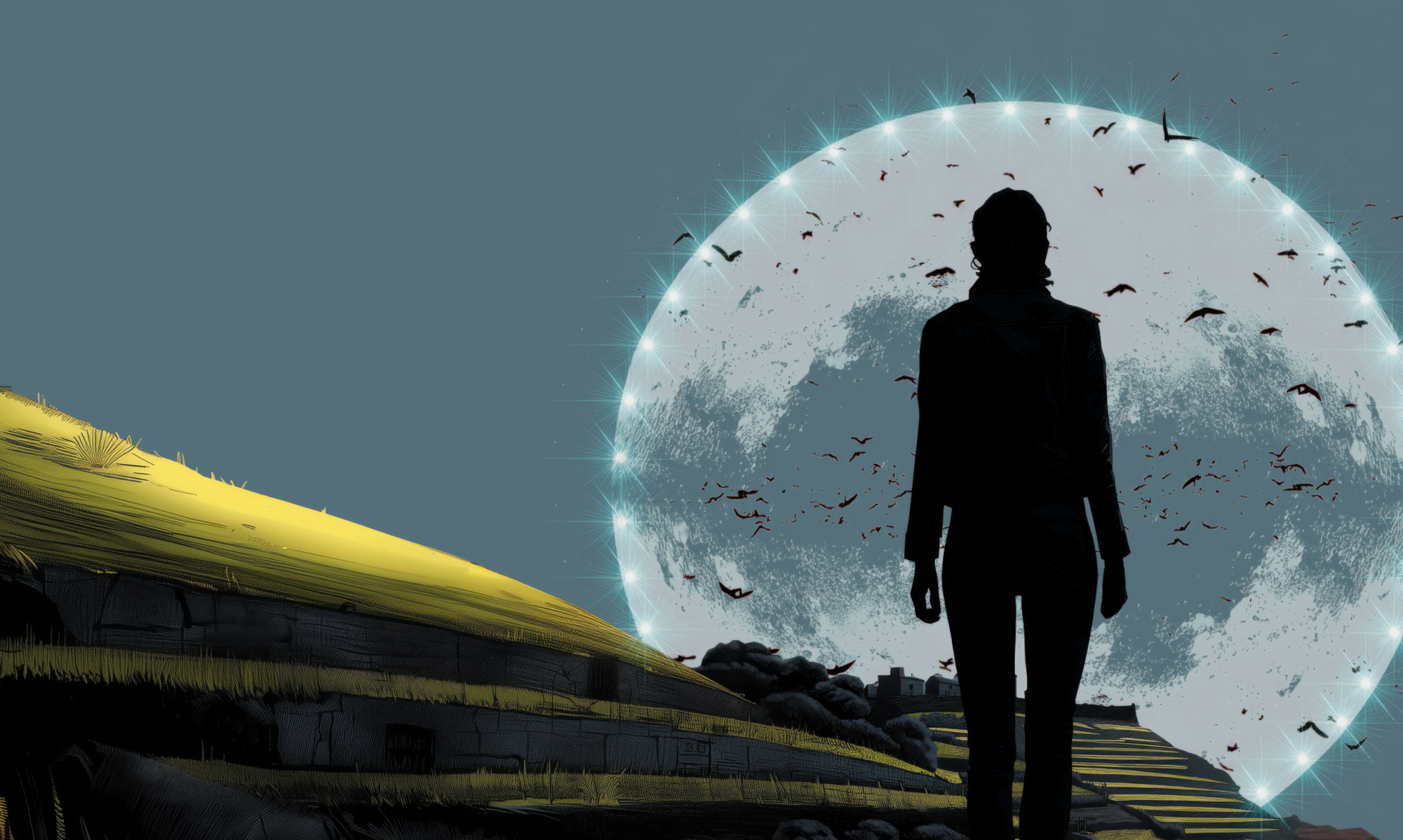
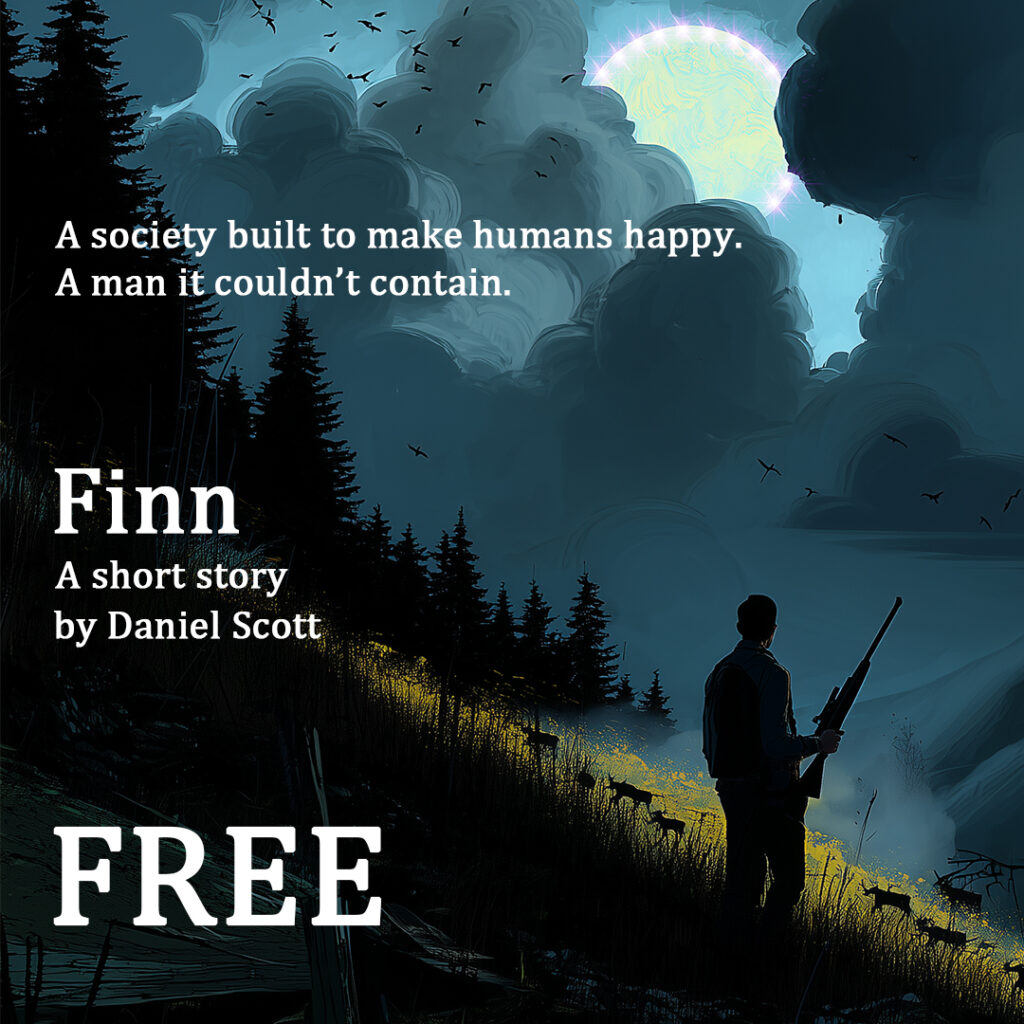
What do you think? (above, obvs)
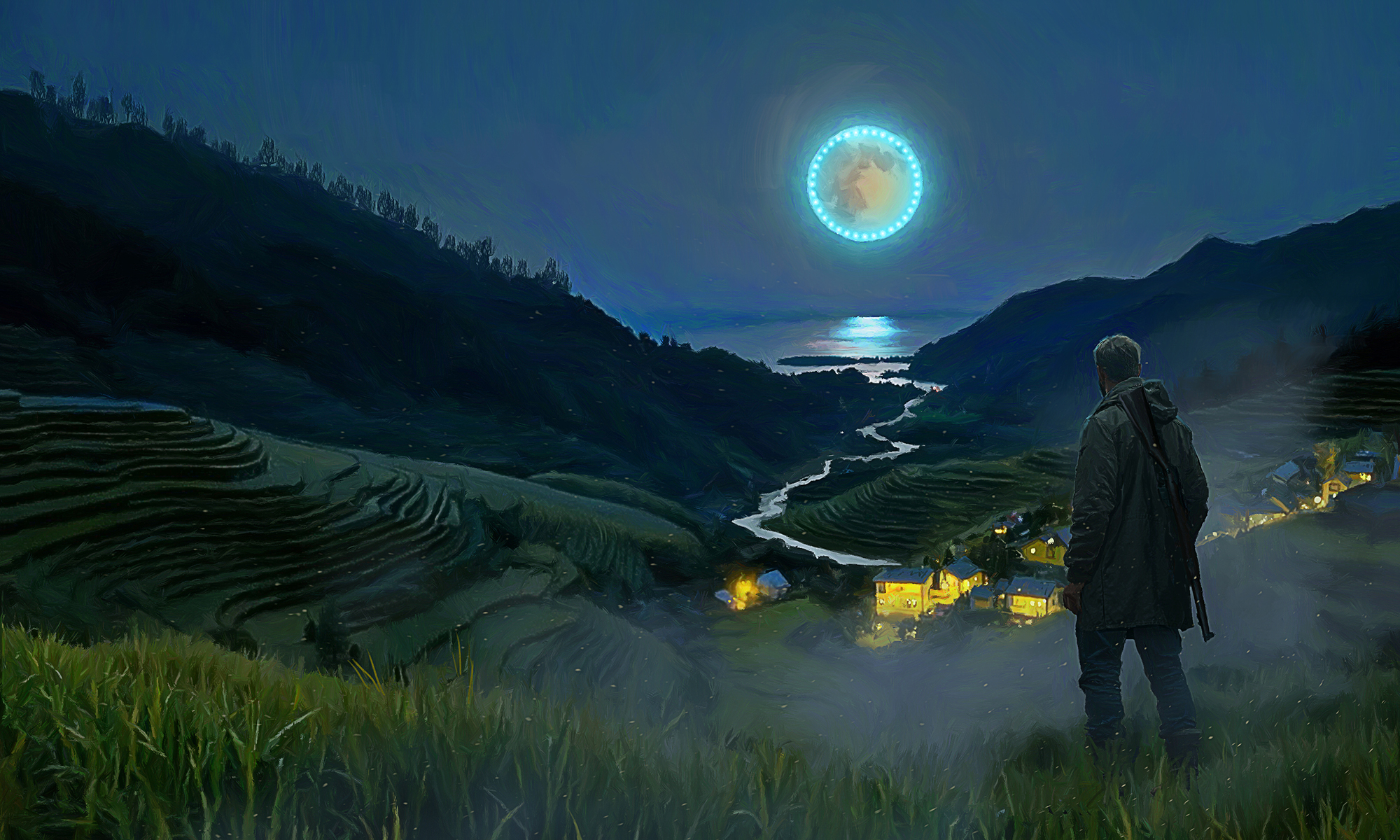
Back when I was naively optimistic about how long this would all take, I commissioned a piece of artwork for the cover of Book 1. I rather like it, but I’d love to know what you think. Whether I end up actually using it for the book cover or not remains to be seen, people really do judge books by their cover, it’s probably the most important investment to make. It’s got to be the best it can be, and I have some time. I might try some other ideas and generally let it sit in my mind for a while before deciding. 

Either way, I’ll still use the image, for my website, social media, and so on.As a rough idea, if I did use it for the cover, it would likely look something like this:


Launch Date
Due to the beta-reading feedback and me deciding to go for another pass, it’s likely the launch will go back a little. I’m still confident the first book will released in the first half of 2026, but I’ve realised that pandering to my natural impatience is a bad idea. It’ll release when it’s ready and when I think it’s as good as it can be. I’ve spent 3 years writing the damn thing, a little more time now is no big deal.

Reader Magnet Prequel
A reader magnet, as I found out recently, is a thing you use, usually a giveaway of some kind, to get potential readers to engage with you, in my case getting them to sign up to this newsletter.
Newsletters are a crucial part of creating any kind of reader base as an author, pretty much every expert/podcast/online-random says so, so I want to try and build it up as best I can prior to the release of the first book.
The general consensus in the publishing and writing groups where I now lurk online seems to be that the best reader magnet for an unpublished author is a free short story, something connected to the world I’ve created. They read it, hopefully like the sound of it, and sign up. They can always unsubscribe, so it’s very much a freebie.
So that’s what I’ve done. I have a taciturn, quiet but very dangerous character named Finn in my trilogy, who is rather old at the time, so I wrote a short prequel story about his life, and how he came to be doing what he does when readers meet him in the books. As you’re already subscribed, you’ll get it (if you want), so keep an eye out for an email with a link to the story.Thank you for reading, it’s much appreciated. Feel free to reply, I’m always interested to know what you think 🙂
Newsletter #1 – Dec 2025

With no idea how to start things off, and only the internet for (bad) advice, I thought I would start with some background and flavour of the trilogy I am writing to whet the appetite.

The Fisher Queen is the first installment of my trilogy, a series set on a future earth and mostly played out in country called Cambria. It’s “soft” science fiction, with a healthy dose of post-apocalyptic dystopian darkness thrown in.

What is soft science fiction?

Soft SF (often called social/philosophical SF) focuses on people, society, and ideas rather than technical details and scientific accuracy.
Hard SF asks “What if we developed this technology?” and explores the engineering in detail – like The Martian showing exactly how someone survives on Mars using real physics and chemistry.
Soft SF asks “What would society look like if…” or “How would people change if…” – it uses futuristic or speculative settings to explore human nature, culture, politics, psychology, and philosophy. The science is often background rather than the point.

The Fisher Queen is soft SF because:
• My fictional world has technology constraints, but I don’t go into enormous engineering detail of how that works. Life on earth is technologically behind our world, so much of the time it might feel more like an early 20th century setting, even though it isn’t
• The story explores how a society functions when it prioritizes collective happiness over technological advancement, how that works well in isolation, and then how it reacts to aggression and violence.
• My central point is philosophical: “Can humanity be happy?”
• Character relationships, moral dilemmas, and social structures drive the plot, not geeking out on uber tech (which I love, it’s just not that)

Sound good?
Great, then keep reading, you might even get to the end of this newsletter without TLDR’ing me. Here is my current synopsis of the whole trilogy (rather than Book 1 only), I’d love to know what you think:

Eight hundred years after The Reckoning killed eleven billion people, Cambria thrives as humanity’s grand experiment. A constellation of peaceful villages protected by ancient technology and built on a radical premise: that humans flourish not through endless technological advancement, but through community, purpose, and lives lived at human scale.

Tom Peters has never questioned his world. He trains for races across Cambria’s rewilded hills, works his Community Service and raises his adopted daughter Ada with fiancée Sita. In Cambria, doors have no locks. There are no cities and barely any technology. No armies and little crime. Peace isn’t just policy, it’s the air they breathe.

Then Ada is kidnapped.

The impossible happened: The Arc, Cambria’s protective barrier, is breached by a brutal regime from the harsh world beyond. Behind the throne stands an a-mortal from before The Reckoning whose centuries of manipulation and cruelty have left empires in ruins. Now his mortality has finally arrived, and he’ll hold Cambria hostage to force the ancient powers who created it to save him.

As the crisis deepens, Tom and Sita discover that defending paradise requires becoming people they never imagined. A society built on trust faces an enemy who exploits trust. A culture that abandoned violence must decide what it’s willing to sacrifice.

Can a peaceful people fight a war without losing themselves? Can utopia survive contact with those who would destroy it? And when the cost of victory equals the cost of defeat, what choice remains?

Thank you for reading, it’s much appreciated. Feel free to reply, I’m always interested to know what you think 🙂
Hello!

My website is admittedly rather bare at the moment, but in my defense I have only just created it. Its initial purpose is primarily to create a place for people to signup to either my regular newsletter, or my inner circle newsletter. See the top of the home page for those links.

I’ll be adding more to the site over time, as my writing and publishing journey starts to take off in earnest.

I have completed the writing phase of my debut science-fiction trilogy, three books that are focused around a future society called Cambria. The dream of Raymond Fielding, a long dead survivor of the Old World, he creates a foundation where humanity can finally flourish, rather than continuing to destroy itself.

After centuries of isolated success, the Cambrian Experiment is suddenly and violently exposed to the rest of the world, to places and people that seek to destroy the utopian vision. All humanity is constrained by the global technology ceiling known as the Kafra Limits, but that does not stop violence, oppression and conquest.

The trilogy follows the fortunes of Tom, Sita and Ada, a Cambrian family thrust into a swirl of events that will ultimately decide the fate of their people and decide the underlying question: Can humanity ever be happy?

The first book in the trilogy, The Fisher Queen, will be released in 2026.

As of today, the three books are all drafted, Book 1 is now into beta reading stage, the other two are still with me in my own editing phase. More soon!